Sapphire Versus Mineral Crystal: Which Is Best?
A polished watch crystal can look identical in a product photograph, yet it changes how a watch wears for years. In the debate over sapphire versus mineral crystal, the right choice is not simply about buying the more expensive material. It is about matching a watch’s glass to its purpose, design, and place in your collection.
For a dress watch that must stay immaculate beneath office lighting, sapphire has obvious appeal. For an everyday sports watch built for active use, mineral crystal can be a sensible and capable choice. Understanding the difference lets you judge a timepiece beyond the dial, movement, and brand name.
Sapphire Versus Mineral Crystal: The Essential Difference
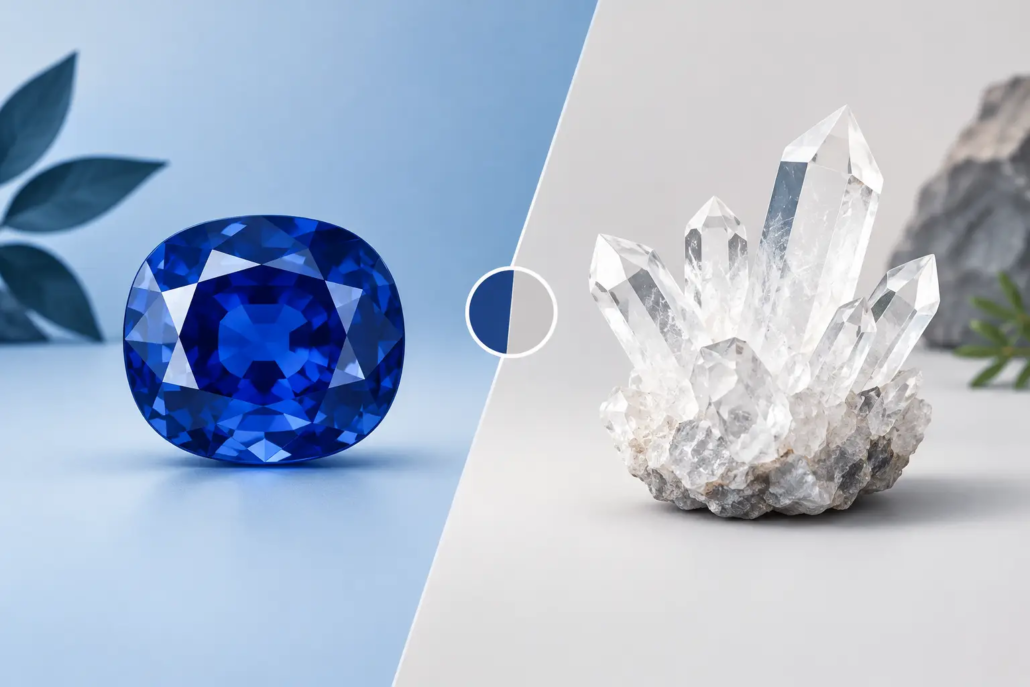
Sapphire crystal is not natural gemstone sapphire cut from the earth. For watches, it is laboratory-grown corundum, formed into a highly transparent crystal and cut to shape. On the Mohs scale of hardness, sapphire ranks at 9, just below diamond. That exceptional hardness is why it resists the fine marks that can gradually dull a watch’s appearance.
Mineral crystal is strengthened glass. It is considerably harder and more durable than ordinary window glass, but it is softer than sapphire. A mineral crystal can develop scratches from contact with metal fixtures, rough stone, sand, or the edge of a desk. It remains a respected watchmaking material, particularly on accessible Swiss, Japanese, and tool-oriented watches where value and impact resistance matter.
The practical distinction is straightforward: sapphire prioritizes scratch resistance and long-term visual purity, while mineral crystal provides solid performance at a more approachable cost. Neither material automatically makes a watch better. The full specification still matters, including water resistance, case construction, movement, and the quality of the crystal’s coating and installation.
Why Sapphire Crystal Commands a Premium
A sapphire crystal keeps a luxury watch looking fresh after years of regular wear. Fine swirls that become visible on mineral glass are far less likely to appear on sapphire. For collectors, that matters. A clear, unmarked crystal preserves the visual impact of a sunburst dial, a skeletonized movement, or a precisely printed chronograph scale.
Sapphire also supports sophisticated watch design. It can be made with a flat, domed, boxed, or heavily curved profile, allowing brands to recreate vintage character or achieve a sleek contemporary look. High-end dive watches often use thick sapphire crystals engineered to withstand substantial water pressure, while refined dress watches may use slim sapphire profiles to maintain elegant proportions.
Clarity is another advantage, although the crystal itself is only part of the equation. Many premium watches use anti-reflective coating to reduce glare. This treatment can be applied to the underside of the sapphire, the outer surface, or both. A double-sided coating offers especially crisp dial visibility, but the exterior coating may itself show light marks over time. Those marks affect the coating rather than the sapphire below, a detail worth knowing before assuming every visible blemish is a damaged crystal.
The trade-off is price. Sapphire costs more to manufacture and machine, so it usually appears on watches positioned at a higher price point. It can also be more brittle than mineral crystal under a sharp, direct impact. Sapphire is difficult to scratch, but it is not impossible to chip or crack if struck hard enough at the wrong angle.
Where Mineral Crystal Makes Sense
Mineral crystal should not be dismissed as a compromise made only for budget watches. It is a rational choice for watches designed to offer everyday reliability, accessible pricing, and a more relaxed ownership experience. Many respected brands have used mineral crystal across sport, field, aviation, and fashion-forward collections.
Because it is less expensive to replace, mineral crystal can be appealing on a watch worn during travel, outdoor activity, or hands-on work. If an impact does damage the crystal, replacement is often simpler and more economical than replacing sapphire. Its slightly greater tendency to absorb a hard knock without fracturing can also be valuable in certain real-world situations.
A mineral crystal watch is especially compelling when the overall package is strong: a dependable automatic or solar movement, useful water resistance, a well-finished steel case, and a design you genuinely want to wear. A watch should be judged as a complete object, not reduced to one line on a specification sheet.
That said, mineral glass requires more care if you want it to retain a pristine appearance. Surface scratches are part of its ownership story. Some can be minimized by careful wear, but deep scratches generally call for crystal replacement rather than polishing.
How to Choose the Right Watch Crystal
Start with how you intend to wear the watch. A sapphire crystal is the more natural choice for a primary luxury watch, a milestone gift, or a piece expected to remain visually sharp for decades. It suits the buyer who values immaculate presentation and wants a watch to look as composed at a formal dinner as it does during a business meeting.
For a professional dive watch, sapphire is often the expected specification, especially in premium categories. The material’s resistance to abrasion helps protect legibility when a watch is exposed to salt, sand, equipment, and frequent travel. However, water resistance is determined by the case, gaskets, crown, and construction, not by sapphire alone. A sapphire crystal does not make a watch waterproof.
Mineral crystal is a thoughtful option for a casual weekend watch, a first serious timepiece, or a sporty model that will see regular action. It may also be the correct choice for a heritage-inspired design where the brand has chosen it to preserve a certain price point or visual character. There is no prestige in paying for a specification you do not need.
Consider the watch’s profile as well. A heavily domed crystal can create beautiful distortion at the dial edge and give a vintage-inspired model real personality. Whether that dome is sapphire or mineral, it may catch reflections differently from a flat crystal. Try to assess the complete design rather than treating material alone as the deciding factor.
Scratch Resistance Is Not the Entire Story
Watch buyers often focus on hardness because it is easy to compare. Sapphire wins decisively on that point. Yet a crystal must also be properly fitted and proportioned for the watch. A thick sapphire crystal on a serious tool watch has different demands from a thin curved crystal on a compact dress piece.
Legibility deserves equal attention. An anti-reflective sapphire crystal can make a dark blue dial, a GMT scale, or a complex chronograph register appear remarkably clear. Without a strong coating, even sapphire can reflect surrounding light. Meanwhile, a well-designed mineral crystal with sensible dial contrast can remain highly readable in daily wear.
Replacement availability is also relevant for collectors. Ask whether the brand can supply an original crystal and whether a service center can restore the watch to factory specification. On limited editions and unusual case shapes, using the correct replacement component matters for water resistance, appearance, and long-term value.
A Better Way to Read Watch Specifications
When comparing two watches, read the crystal line alongside the rest of the build. Sapphire has greater value on a watch with the finishing, movement, and intended lifespan to justify it. Mineral crystal can offer excellent value when paired with a reliable caliber and purposeful design.
A refined mechanical watch with sapphire, detailed finishing, and a multi-year place in your collection is a compelling investment in daily enjoyment. A durable quartz, solar, or automatic sports watch with mineral glass can be equally compelling when it gives you confidence to wear it without ceremony.
The best choice is the one that fits your standards of use. If you want enduring clarity and a polished luxury presence, choose sapphire. If you want practical value and easygoing versatility, mineral crystal deserves serious consideration. At Relojes Exclusivos, the right watch is not defined by one specification, but by how confidently it earns its place on your wrist.