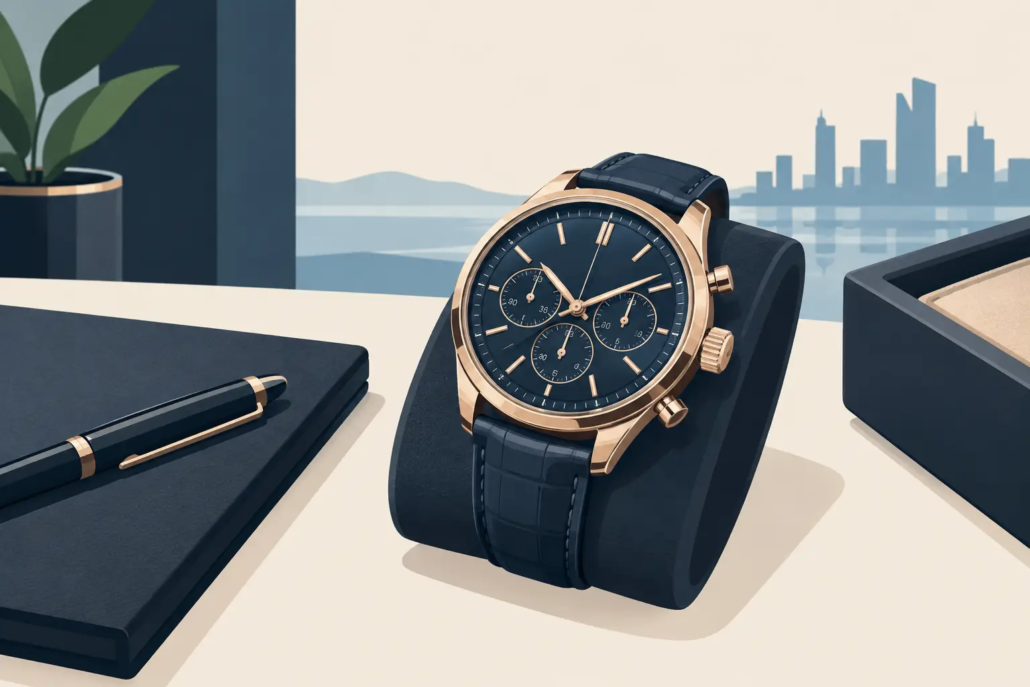
Chronograph Watch Buying Guide for Luxury Buyers
A chronograph changes the character of a watch immediately. The extra pushers, measured subdials, and purposeful dial layout bring motorsport, aviation, and professional timing heritage to the wrist. Yet the best choice is rarely the model with the most functions. It is the one whose movement, proportions, materials, and design suit how you live and what you expect from a luxury timepiece.
This chronograph watch buying guide is designed to help you choose with confidence, whether you are acquiring a first Swiss chronograph, marking a milestone, or adding a distinctive reference to an established collection. From a sleek TAG Heuer racing-inspired design to a bold Breitling aviation instrument or a refined dress chronograph, the details determine whether a watch becomes a favorite or remains in its box.
Start With What You Want a Chronograph to Do
A chronograph is a stopwatch built into a wristwatch. Typically, the upper pusher starts and stops timing, while the lower pusher resets the central chronograph seconds hand. Subdials may record elapsed minutes and hours, allowing the watch to time anything from a parking meter to a long-haul flight.
For some buyers, that functionality is central. A tachymeter scale can calculate average speed over a measured distance, while a bezel scale may be useful for timing events or tracking elapsed intervals. For others, the chronograph is primarily about visual impact: a layered dial, polished pushers, and a case with far more presence than a simple three-hand watch.
Be honest about which camp you are in. If you want a clean watch for business attire, a compact bi-compax chronograph with two subdials may feel more elegant than a busy instrument dial. If you are drawn to sporting heritage, a three-register model with bold lume and a tachymeter offers the technical energy that defines the category.
Chronograph Watch Buying Guide: Choose the Movement First
The movement is the heart of the purchase, particularly at premium and collectible price points. Quartz chronographs use a battery-powered movement and usually deliver exceptional accuracy, low maintenance requirements, and a slimmer profile. They are an intelligent choice for buyers who want dependable timing and everyday convenience, especially in sport-focused or travel-ready watches.
Mechanical chronographs offer a different kind of value. Their appeal lies in the engineering you can feel when operating the pushers, the sweeping action of the seconds hand, and, on certain models, the view through an exhibition caseback. Automatic chronographs wind through wrist motion, making them practical for regular wear. Manual-wind chronographs create a more hands-on ritual and are often prized for their thinner cases and traditional character.
Movement architecture also affects refinement. A column-wheel chronograph is admired for its sophisticated control mechanism and often smoother pusher action. A vertical clutch can reduce hand stutter when the chronograph starts. These features are not mandatory for a satisfying watch, but they matter to collectors and to buyers comparing higher-end references side by side.
Do not confuse a chronograph with a chronometer. A chronograph measures intervals. A chronometer is a watch certified for a specified standard of timekeeping accuracy. A watch can be one, both, or neither.
Match the Dial to Your Personal Style
Chronographs have a natural visual density, so dial design deserves more attention than many buyers give it. Look at the spacing of the subdials, the legibility of the hands, and whether the date window interrupts the composition. A beautiful watch should remain easy to read at a glance.
Black, blue, silver, and white dials are enduring choices that work across settings. A reverse-panda dial, with dark subdials on a light background, delivers classic racing appeal. A panda layout creates contrast in the opposite direction and remains one of the most recognizable looks in modern watchmaking. Green, burgundy, ice blue, and bold sunburst finishes can be highly compelling, but consider whether you will enjoy that color as much five years from now.
Then consider the level of branding and detail you prefer. Some buyers want the recognizable presence of a large logo, polished indices, and a sculpted case. Others favor restrained typography and vintage-inspired scales. Neither approach is more prestigious. The right choice is the one that feels intentional on your wrist.
Get the Case Size and Fit Right
A chronograph almost always wears larger than a time-only watch of the same diameter. Pushers, protective crown guards, thicker movements, and a wider dial opening all add visual and physical weight. This is why trying on a 42 mm chronograph, or carefully comparing its measurements to watches you already own, is essential.
As a general guide, 38 to 40 mm often offers a versatile, vintage-leaning fit. Between 41 and 43 mm brings more sporting presence and can suit larger wrists well. Beyond that, the watch becomes a deliberate statement piece. Diameter is only one measurement, however. Lug-to-lug length, case thickness, and the curvature of the lugs can matter even more.
A thick automatic chronograph may be superb under a leather jacket or knitwear but less comfortable beneath a tailored shirt cuff. If you plan to wear the watch in professional settings, consider a case under roughly 14 mm thick and a dial without excessive visual clutter. If the watch is for weekends, travel, or active use, a more substantial case may be exactly the point.
Bracelets create a confident, versatile look and generally offer excellent long-term durability. Leather straps can make the same chronograph feel more elegant and reduce visual weight. Rubber is ideal for water, heat, and a contemporary sport-luxury profile. The ability to change straps can give one exceptional watch several distinct identities.
Consider Materials, Water Resistance, and Daily Wear
Stainless steel remains the most versatile chronograph material. It is durable, timeless, and suitable for nearly every occasion. Titanium reduces weight and brings a technical, modern character, while ceramic can offer dramatic color and strong resistance to surface scratches. Gold adds warmth and status, though it is softer and generally better suited to more considered wear.
Water resistance should reflect your actual habits. A 30-meter rating is best treated as protection from incidental splashes. For regular swimming, look for 100 meters or more, and confirm that the chronograph pushers are not operated underwater unless the manufacturer specifically permits it. A screw-down crown can add reassurance for sport-oriented models, though it is not a substitute for sensible care.
Crystal choice matters, too. Sapphire crystal is highly resistant to scratches and is standard on many premium watches. A domed sapphire may create vintage character, while a flat crystal often enhances a crisp, modern instrument look.
Set a Budget That Includes Ownership
Price is shaped by far more than the logo on the dial. Movement complexity, case finishing, brand heritage, limited production, materials, and complications all influence value. An accessible Swiss or Japanese chronograph can deliver genuine quality and strong design for a modest luxury budget. At the next level, you may find more advanced automatic movements, improved finishing, heritage-driven collections, and stronger collector appeal.
At higher price points, the decision becomes more personal. You may be paying for precious metals, an in-house caliber, a limited edition, or a distinctive design language that cannot be replicated elsewhere. That does not automatically make one watch better than another. A well-chosen steel chronograph you wear three times a week can offer more lasting satisfaction than a more expensive piece that feels too formal or fragile to enjoy.
Include service in your thinking. Mechanical chronographs are intricate machines and will eventually need professional maintenance. Service intervals depend on use, water exposure, and the specific movement, but buying from an established brand with reliable support is a practical advantage.
Buy With the Details in Front of You
Before committing, review the exact reference rather than relying only on a collection name. Small differences can transform a watch: a bracelet instead of a strap, a sapphire bezel instead of steel, a limited-edition dial, or a newer movement generation. Confirm the case diameter, thickness, water resistance, warranty terms, and what is included with the watch.
For collectors, reference numbers, production status, and limited availability may influence the decision. For gift buyers, versatility and fit are usually more valuable than obscure specifications. A distinctive chronograph should feel special when the box is opened, but it should also work with the recipient’s wardrobe and routine.
At Relojes Exclusivos, a curated selection makes it easier to compare prestigious chronograph brands across sport, aviation, and refined everyday styles. If a particular reference is not currently in stock, asking the team to help source it can be the difference between settling for a near match and securing the watch you genuinely want.
Choose the chronograph that makes you want to press the pusher, study the dial, and put it on again tomorrow. That connection is more valuable than any specification sheet, and it is the clearest sign that a luxury watch deserves a place in your collection.